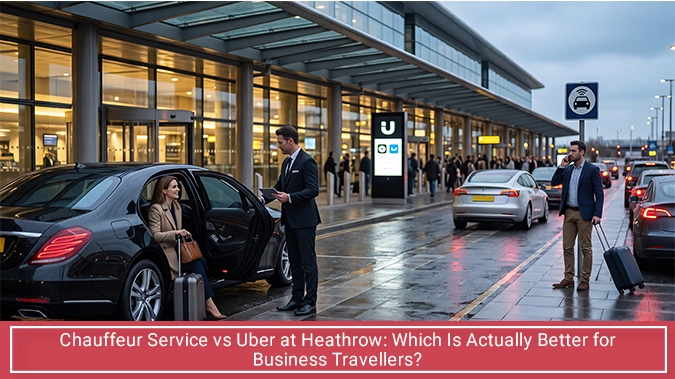
Business travel refers to trips taken for work purposes, such as attending meetings, conferences, trade shows, client visits, or training sessions. Unlike leisure travel, it is focused on professional goals and company representation.
Types of Business Travel:
Business travel refers to journeys undertaken for work-related purposes rather than personal reasons. It involves employees, business owners, or professionals traveling domestically or internationally to attend meetings, conferences, training sessions, client interactions, or other business-related activities.
Business travel plays a vital role in fostering growth, building relationships, and exploring new opportunities. Here’s why business travel is essential for enterprises:
Face-to-face interactions build trust and strengthen bonds with clients, partners, and colleagues. It also creates opportunities to establish new connections and maintain existing relationships.
Business travel allows companies to assess new regions, cultures, and market dynamics. Meeting local stakeholders and understanding customer needs can facilitate market entry and business expansion.
In-person negotiations enhance communication and expedite decision-making. Such meetings demonstrate commitment and seriousness to clients and partners.
On-site meetings encourage better teamwork and understanding among geographically dispersed teams, facilitating smooth project execution and fostering innovation.
Business travel enables exploration of partnerships, investments, and acquisitions while tapping into new revenue streams and expanding business footprints.
The objectives of business travel vary but typically include:
Engage with clients, business partners, or vendors to discuss projects, negotiate contracts, or strengthen relationships.
Participate in trade shows, exhibitions, and seminars to showcase products, generate leads, and stay updated on industry trends.
Attend workshops and training sessions to enhance skills and align with company goals.
Travel to specific locations for project implementation, consultancy, or operational oversight.
Pitch products or services, attend sales meetings, or participate in promotional events like trade shows.
Senior executives travel to attend strategic planning sessions, leadership summits, or board meetings.
Explore potential markets, study consumer behavior, and assess competitors.
Build relationships with stakeholders to expand business opportunities.
Facilitate temporary assignments in different locations for operational needs
Business travel can be categorised on the basis of its purpose, duration, and nature of activities. Here are the main types to travel for business perceptive-
A domestic business trip is the work-related journey that operates within the borders of a single country. Despite advancements in technology, domestic travel still has an importance in many businesses. It is because of the need for in-person interaction and hands-on involvement.
Benefits:
International travel is not a luxury journey for business travelers. Instead, it is considered as a medium for companies operating in a globalised economy. It involves travelling across countries to manage business abroad. Business people who manage their intracountry work can opt for professional chauffeur services.
Benefits:
Short term travels are the trips taken for a few hours to a few days. Despite the brief duration, these trips can have a significant impact on a company’s operations and success.
Benefits:
Long term business travel are extended tours that last for weeks, months, or even years. It can be undertaken for professional purposes. It is associated with the projects requiring sustained on-site involvement, international assignments, or expatriate roles.
Benefits:
Business travel remains an integral part of professional growth and operational success. Whether it’s a domestic trip to meet clients or an international journey to explore new markets, each type of travel supports organizational goals. For frequent travelers, hiring corporate business chauffeur ensures convenience and professionalism during local commutes.
With the right planning and tailored policies, businesses can make the most of their travel initiatives, ensuring efficiency, cost-effectiveness, and employee satisfaction.
Corporate travel refers to trips undertaken by employees or executives for work-related purposes, such as meetings or conferences.
Business travel focuses on professional goals like client visits, while leisure travel is for relaxation and personal enjoyment.
Hiring a corporate chauffeur ensures time efficiency, comfort, and professionalism, helping executives stay productive while avoiding delays.
Yes, chauffeur services offer reliable and luxurious transportation for executives attending corporate events and conferences.